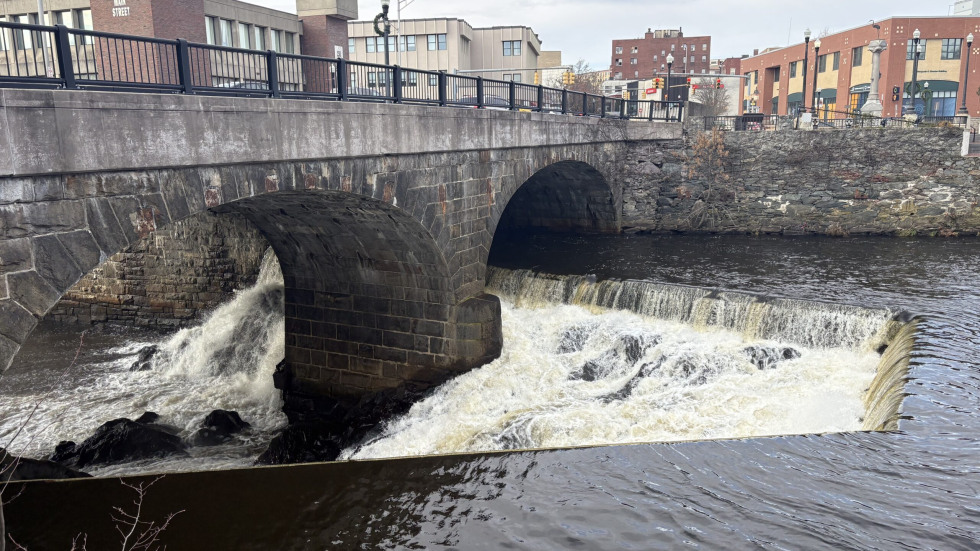
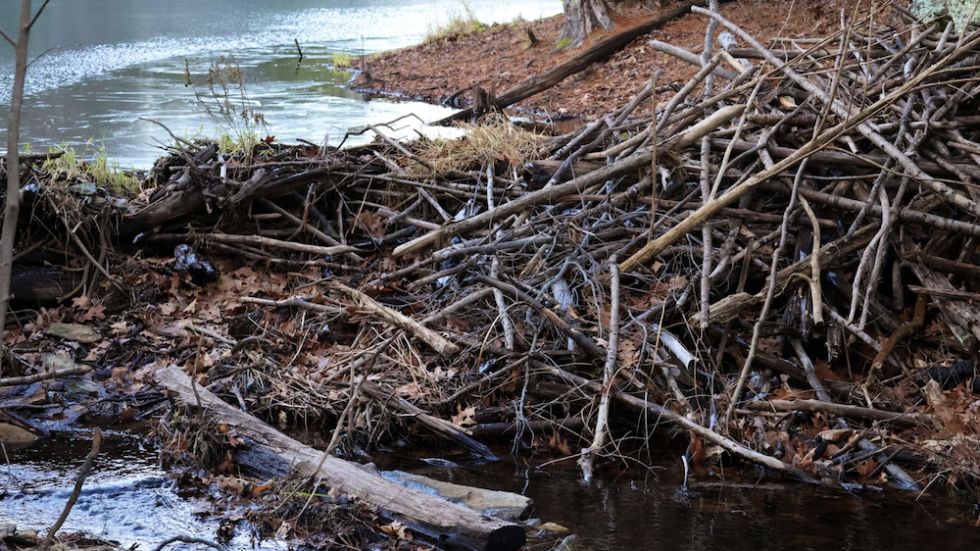
Rhode Island calls itself the Ocean State, but it also has nearly 1,400 miles of rivers. Last fall, 20 undergraduates in IBES’ “Science Journalism” course set out to report on the rivers running through Providence — the Woonasquatucket, Blackstone, Seekonk, and Moshassuck. Their instructor was Jennifer Adler, a marine biologist and National Geographic photographer who graduated from Brown in 2011. The assignment required at least five interviews and at least three scientists per story. Earlier this year, ecoRI News — Rhode Island's leading environmental news nonprofit, co-founded by Brown alumna Joanna Detz ’96 — opted to publish all 20 stories.
An editor takes a chance
EcoRI editor Bonnie Phillips visited the class as a guest speaker before a single story was filed — “kind of not knowing,” she says, whether she'd be able to use any of the students' work. There was no contract. Phillips told students to pitch her directly and she would work with them through final edits on whatever she could use.
Phillips says she found the students “had a very good grasp of the issues they were writing about.” Their drafts were “filled with footnotes and citations,” academic habits that strengthened the journalism, adding sources a typical freelancer wouldn't think to include. For a four-person newsroom, that meant 20 reported stories on topics Phillips knew mattered but didn't have the staff to reach.
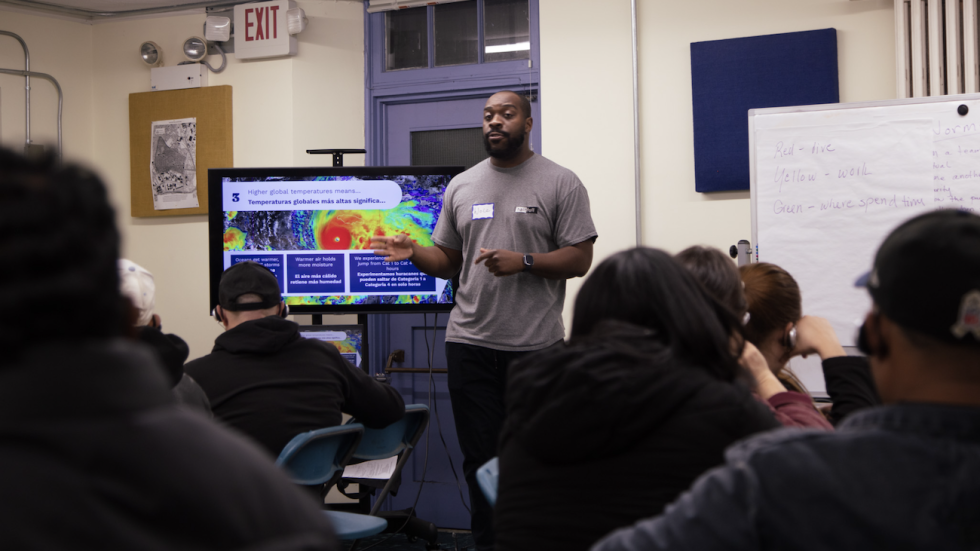
For Phillips, one story stood out. Brown Daily Herald editor-in-chief Catherine Latimer ’27 had gone to the Smith Hill Library on a Wednesday evening, where Providence residents were gathering for a climate preparedness workshop run by a nonprofit called the Providence Resilience Partnership. Latimer interviewed the facilitator, the program designers, a climate scientist, and the residents themselves. One participant, Carol Lisi, told her: “Four of us that didn't know each other at all got together and we were chatting like we've known each other forever.” Phillips flagged the piece as one of the best ecoRI News published that month.