Institute at Brown for Environment and Society

Meet Voss Fellow Isidora Stevens ’28: Mapping a bioregion that transcends political borders

Stevens spent the summer in Colorado to study land stewardship and ecosystem change in the Upper Rio Grande Basin through community interviews and vegetation mapping.

The Voss Fellowship Program is the premier training and funding opportunity for undergraduates interested in environmental research at Brown University.
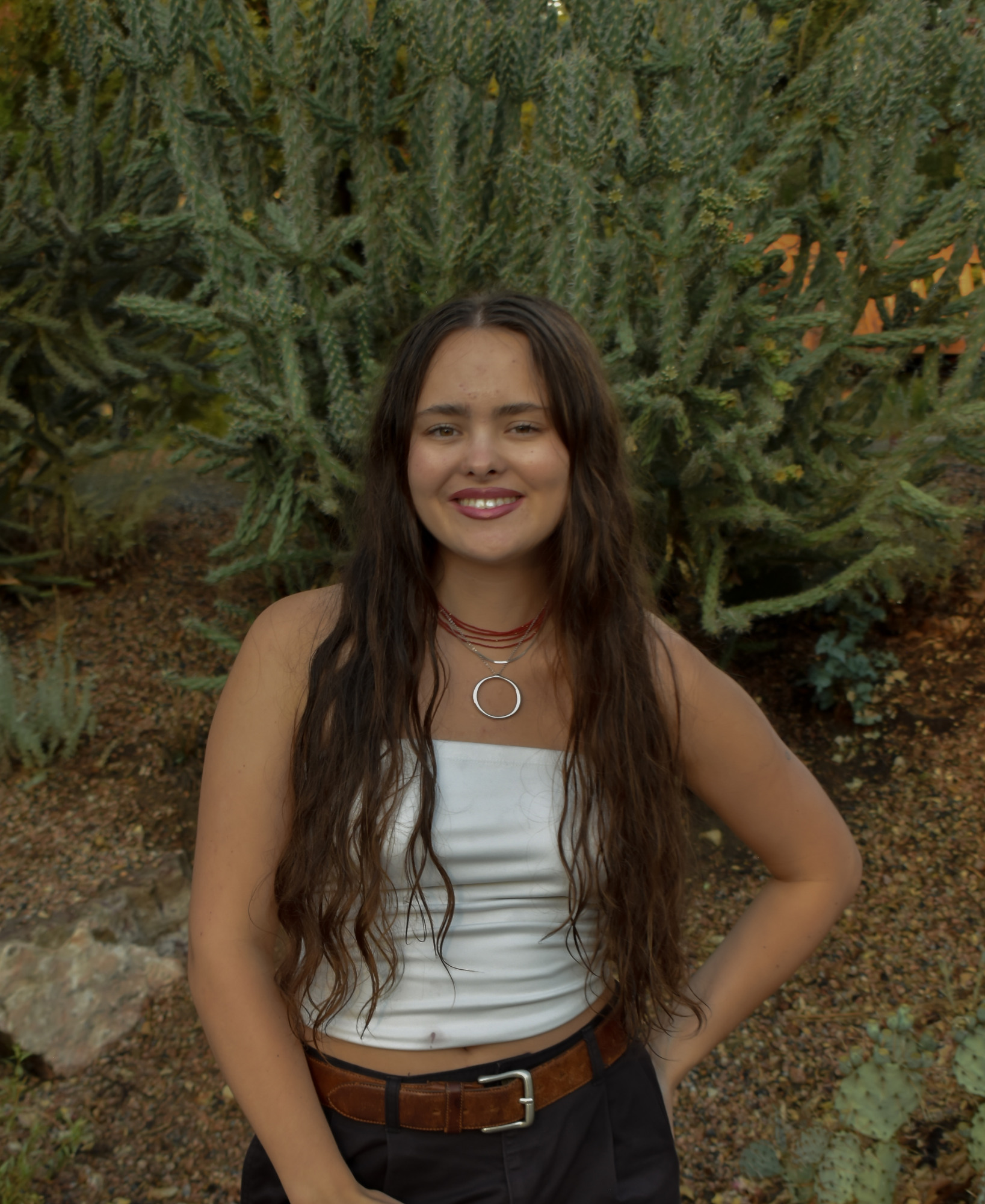
Isidora Stevens ’28
Isidora Stevens ’28

For Isidora Stevens ’28, a double concentrator in Social Analysis & Research and Environmental Sciences & Studies, understanding environmental change along the Upper Rio Grande means studying both the landscape and the people who care for it. Advised by IBES Professor Dov Sax, Stevens spent the summer in southern Colorado combining ecological fieldwork with community interviews to explore how the region’s changing environment intersects with the ways people manage its land and water.

Her research comes at a particularly consequential moment for the region. Amid severe drought, Stevens documented degraded wetlands and declines in native riverside vegetation while also learning how local communities are navigating competing needs, histories, and perspectives around conservation and land use. Together, the ecological and social sides of her research reveal a central lesson: environmental change can’t be fully understood apart from the people and communities who shape — and are shaped by — the landscape.

A Voss Fellow and Royce Fellow with Brown’s Swearer Center, and undergraduate researcher in Brown’s Paleoethnobotany Laboratory, Stevens hopes to pursue a Ph.D. in environmental and social research and continue investigating the complex relationships between people and the natural environment across different places, cultures, histories, and lived experiences.
How would you summarize your research, and why were you drawn to this topic? 

This summer, I have conducted ethnographic interviews with local landowners, community members, and environmental organizations to document the diverse efforts of those working toward a more just and resilient future for the valley’s human and non-human occupants. 

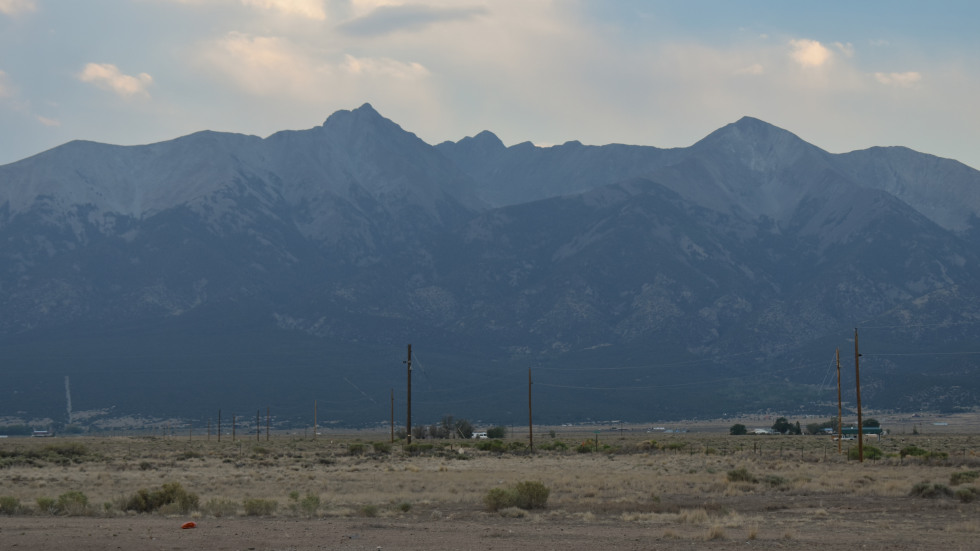
As the largest alpine desert in the world and a previous territory of Mexico, this region has a unique arid ecosystem and cultural history shaped by centuries of socio-ecological injustices. I’m particularly interested in efforts led by women, Hispanic, and Indigenous people who have historically been overlooked in the environmental management of the region.

My mother’s family has lived in southern Colorado for 17 generations. Time spent here inspired me to pursue environmental science at Brown, as I was curious to learn more about the complex dynamics that continue to shape alpine and desert ecosystems. I decided to pursue this curiosity by investigating how the local community is working toward sustainable water and land management and how wetland spaces along the river have been affected over time.

What did your fieldwork look like?  

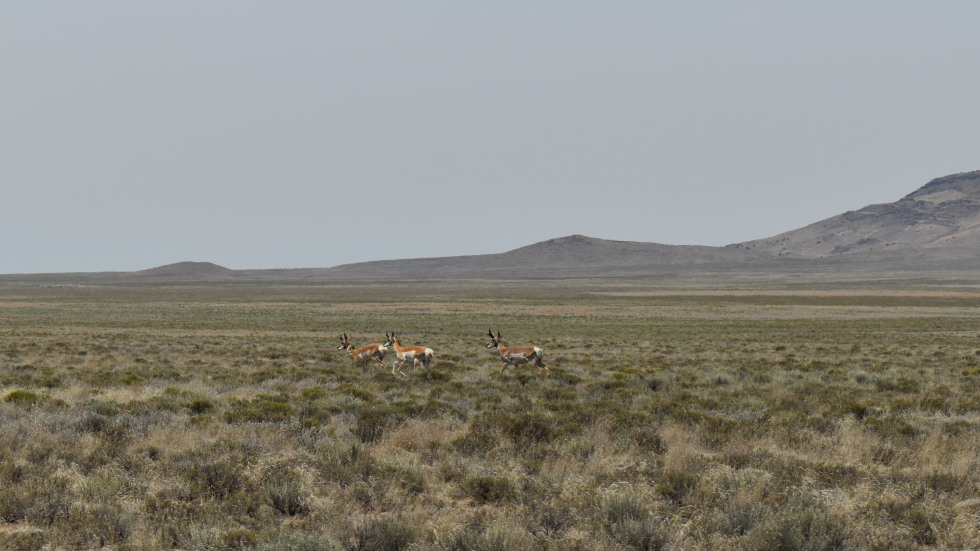
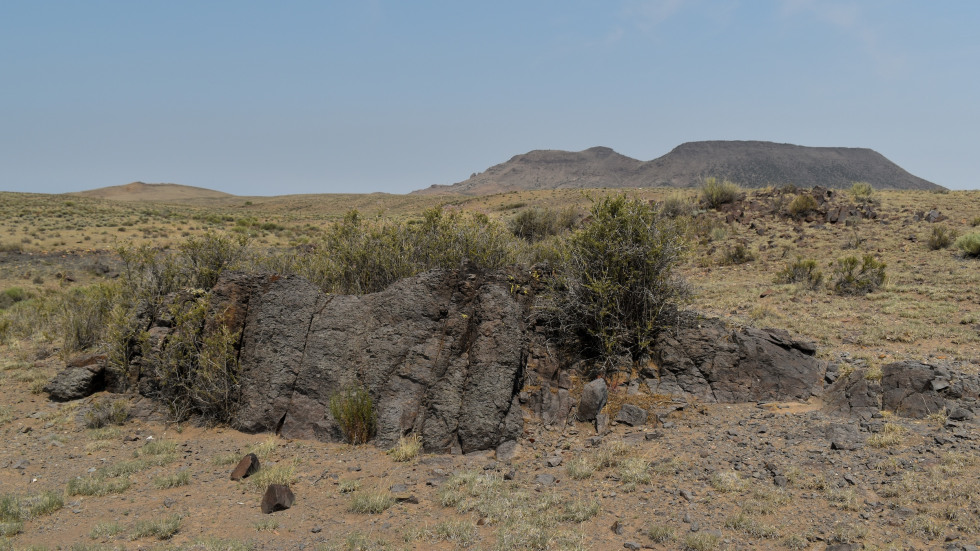
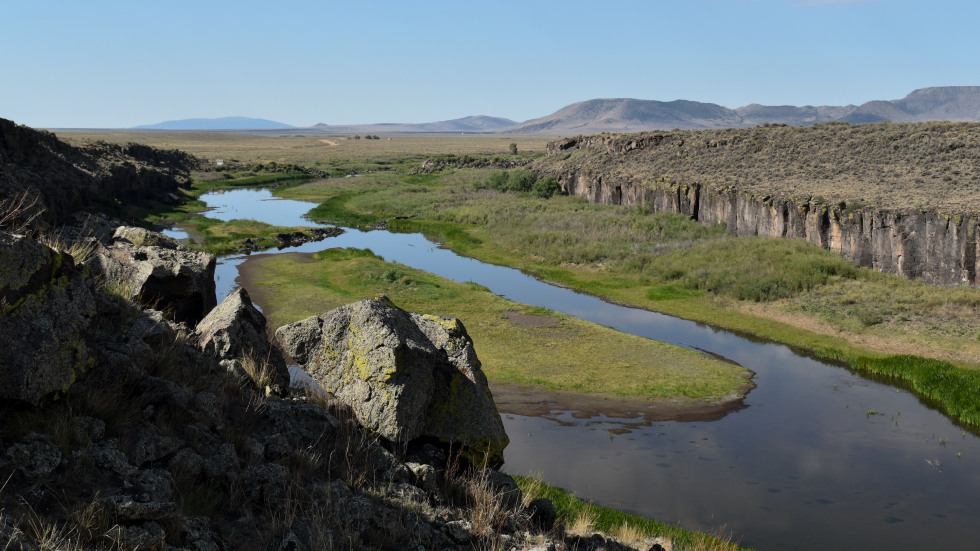
The ecological side has involved fieldwork in the Rio Grande Natural Area, which includes laying out transects, identifying plants, and taking measurements that will ultimately be translated into a vegetation map. 

I have also interviewed many different community members, such as a sustainable cattle rancher who works to dissolve the prejudices that often divide the ranchers and environmentalists; wetland biologists leading extensive wildlife monitoring projects and designing creative groundwater solutions to support both agriculture and birds during drought; and members of a public lands council who are working to amplify the voices of longstanding community members in the management of public lands.

Tag along

Join Stevens as she conducts research in Colorado and New Mexico.

@brown_ibes

What have you discovered thus far?

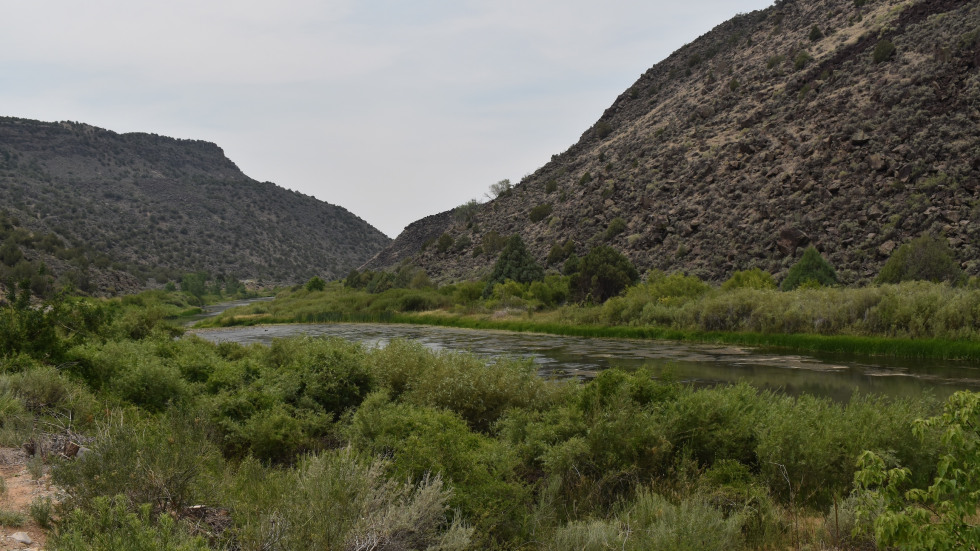
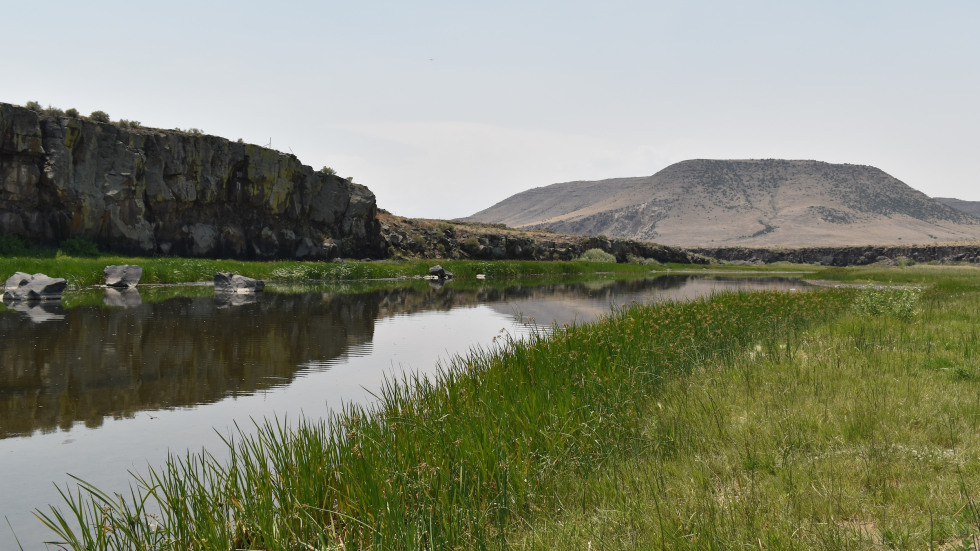
This year, the valley is facing its worst drought on record; my ecological fieldwork along the Rio Grande has confirmed the profound effects of this in an already arid environment. I've observed degraded wetland areas and a decline in native riparian vegetation, such as cottonwood trees and willows, which support species like the endangered Southwestern Willow Flycatcher. 

On the ethnographic side, working across such a large and diverse region has revealed the social, cultural, and historical factors that influence environmental efforts. I have learned firsthand that conservation and restoration efforts are never separate from the people who shape and are shaped by them, and grounding environmental work in place-based knowledge is essential for successful land stewardship. 

Why is your research important in a broader context?

Since the Rio Grande crosses state lines and delineates a portion of the U.S-Mexico border, it is a compelling example of a bioregion that transcends political borders. The Rio Grande basin is importantly defined by its watershed, biotic life, shared sense of place, and cultural distinctiveness. Through interviews, I've learned how communities across Colorado, New Mexico, Tribal Nations, and Mexico have formed collaborations around the river’s management. At a time of increasing border solidification, the river's fluid and ever-changing nature is a reminder of how all rivers have once meandered across the landscape on their own terms, carrying the eco-cultural ties of the human and non-human inhabitants of the region.

How has the Voss Fellowship furthered your research?

Within environmental studies, so much knowledge exists outside the official academic sphere. The resources, mentorship, and support of the Voss Fellowship has allowed me to learn from a community that has accumulated place-based knowledge through generations of direct engagement with the natural world.