Institute at Brown for Environment and Society

Meet Voss Fellow Alexa Theodoropoulos ’27: Tracing Brown’s environmental and colonial impact in the Philippines

From archival work in Brown’s John Hay Library to interviews at Camp John Hay in the Philippines, Theodoropoulos is tracing the University’s complicated impact on the cultural and environmental landscape of the Philippines’ Cordillera region.

The Voss Fellowship Program is the premier training and funding opportunity for undergraduates interested in environmental research at Brown University.
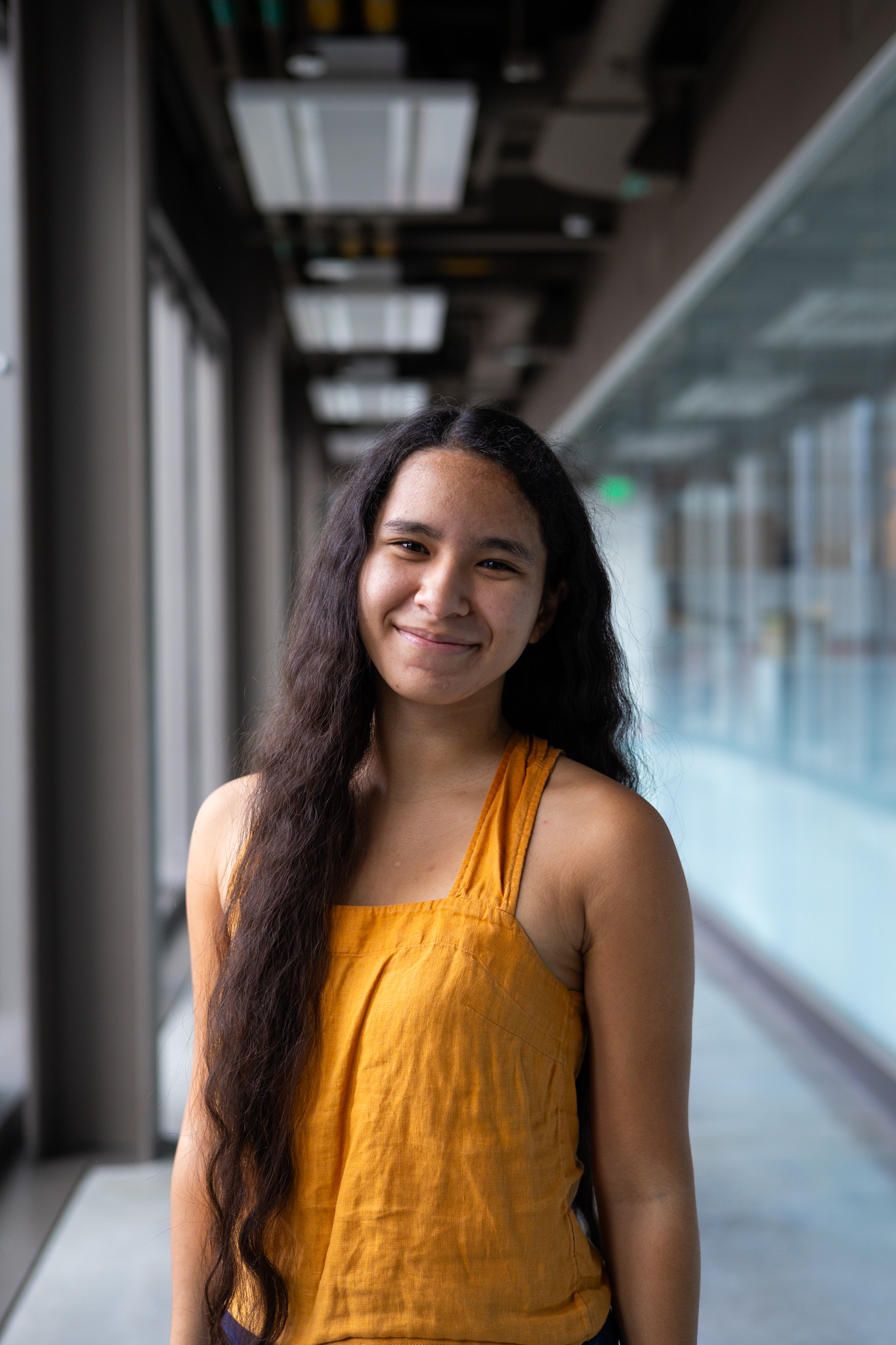
Alexa Theodoropoulos ’27

Alexa Theodoropoulos ’27 is combining historical research with contemporary interviews and observations to understand Brown’s role in shaping the Philippines’ environment. Fusing their work as founder of the Filipino@Brown (Tagalog@Brown) initiative and concentrations in Environmental Science and Literary and Multimedia Narrative Studies, Theodoropoulos hopes to continue this project long into the future. 

How would you summarize your research? 

My work focuses on Brown’s ties to the colonization of the Philippines. I started specifically looking at the role of Brown alumnus John Hay, because he was U.S. Secretary of State throughout the Philippine-American War and head of the British legation, which played a key role in the U.S. ability to annex the Philippines. Other Brown alumni served as textbook authors for the Philippine education system; a lot of cultural and linguistic suppression was involved in the writing and teaching of these texts. 

That was my starting point, and then I turned it into a more environmental thesis, focusing on land, Indigenous dispossession, and environmental change that was engendered as a result of U.S. colonization. I’m specifically tracing Brown-affiliated actors and their role in producing the Philippines’ current environment and land system.

How did you choose your research topic?

When I started college, I was doing a lot of climate organizing and climate science research. At the same time, I also got deeply involved in Brown's Filipino Alliance and the Southeast Asian Studies Initiative. As we did advocacy work to get Filipino language classes offered at Brown, we learned more about the history of linguistic suppression. Then I took Professor Mindi Schneider’s ENVS class, Land Matters, where I learned about universities’ historical ties to land theft. That made me think about how my Philippines-centric work was very related to my environmental work. I connected the two and made my research even more land-focused.
What was your fieldwork like and what did you discover?

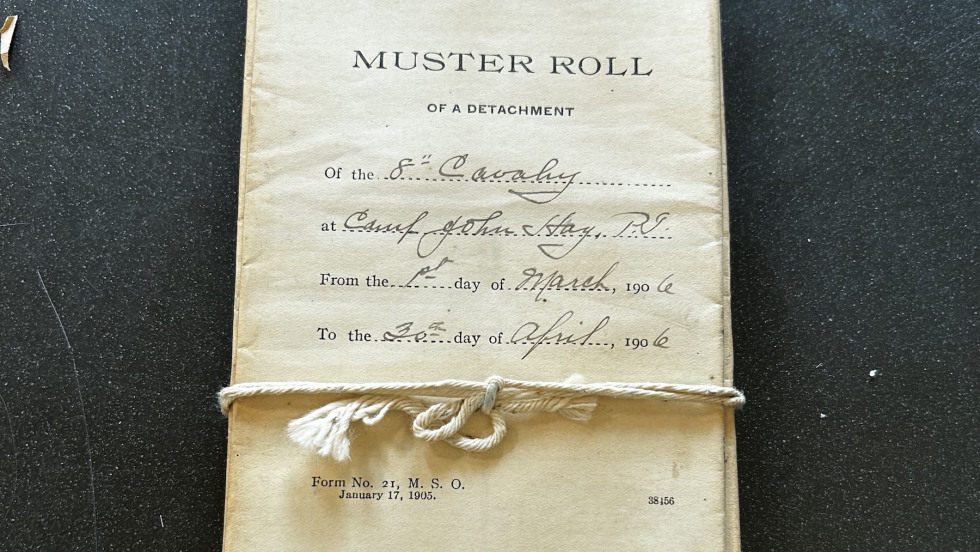
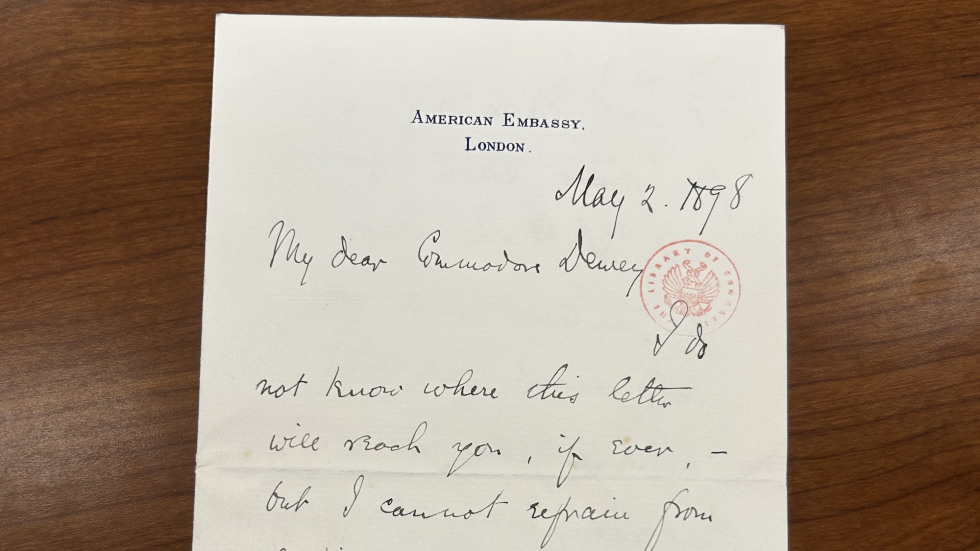
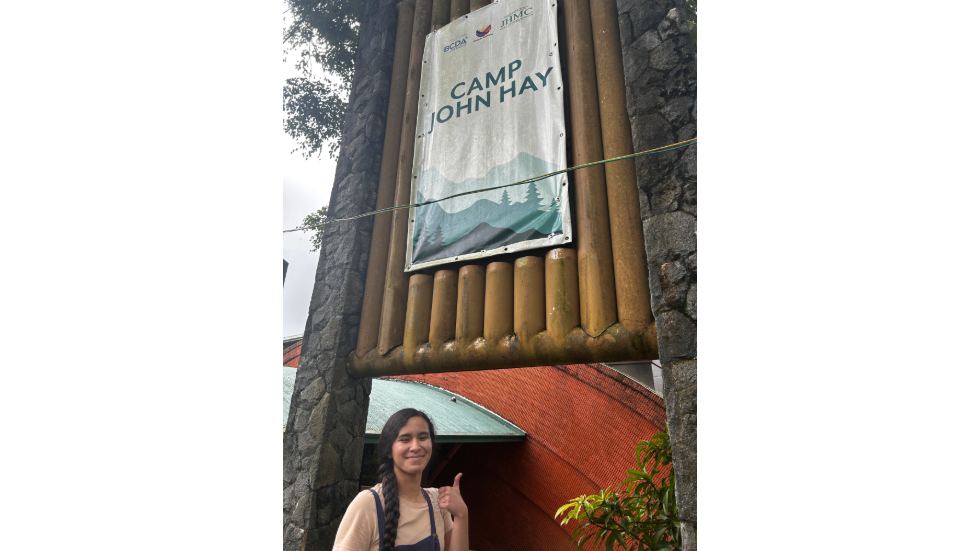
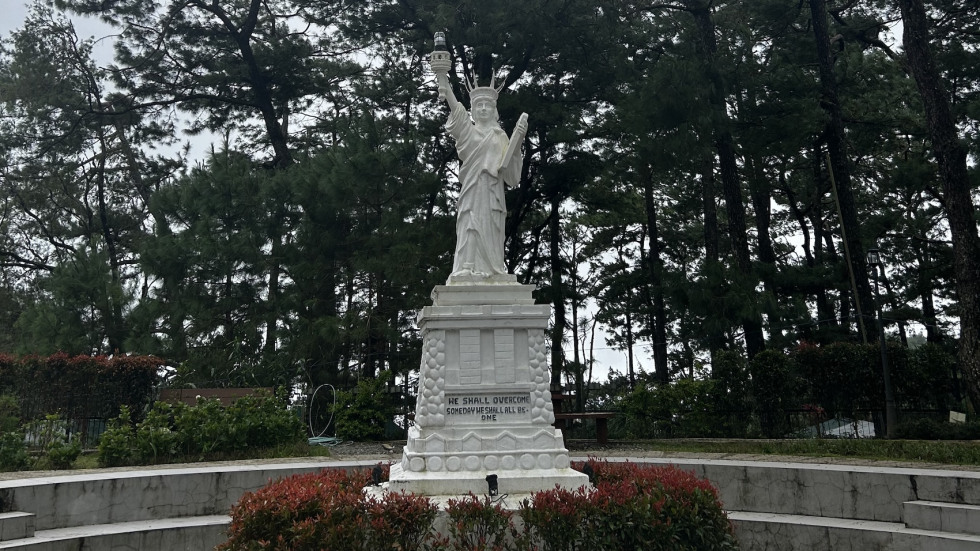
I've done archival work in Brown’s Hay Library archives, at Columbia University, the New York Public Library, the National Archives, and the Library of Congress. I also went to Camp John Hay in the Philippines: a former U.S. military base and current tourist site.

While in the Philippines, I conducted oral histories and interviews with locals and Indigenous communities to get an understanding of people's impressions of Camp John Hay. I also went to the University of the Philippines and Ateneo de Manila University, where I looked through their American Historical Collection. Additionally, I visited Teachers Camp — which was historically a rest-and-recreation facility for American teachers — to investigate their archives.

From the field

Theodoropoulos spent a portion of summer 2026 conducting interviews and archival research in the Cordillera region of the Philippines.

@brown_ibes

How has the Voss Fellowship furthered your research?

Through the fellowship, I got in touch with another Voss Fellow who is doing similar research; we had a great conversation about the work we're doing and what archives we're looking at. The ability to build off of one another like that is really valuable. 

IBES has similarly been helpful in providing me with a network of other students who have overlapping interests. Being able to talk to people from diverse disciplines within environmental studies has been very generative.

Where do you see this work taking you in the future? 

I love this project — I want to keep doing it until I discover all there is to discover. The more I do this research, the more questions I have and the more interesting information I find. Whether I'm continuing this specific project or something closely related, I do want to keep doing this after I graduate and am planning on applying to PhD programs and other research fellowships!