Institute at Brown for Environment and Society

March 7 | Banking on Nature: Sustainable Finance and the Environment

Part of Brown Climate Week 2026.

Nature is not peripheral to the economy — it is its foundation. Yet financial systems have long treated it as invisible or free, creating growing risks for companies, investors, and entire markets.

As biodiversity loss, water scarcity, and ecosystem degradation accelerate, nature-related risks are financially material. From supply chain disruption to regulatory change, the impacts are reshaping how capital must be allocated and how risk must be measured.

Banking on Nature brings together leaders from finance, science, and Indigenous communities to explore how markets are responding — and how financial systems can evolve to align with ecological limits and long-term resilience.

Join us for forward-looking conversations at the intersection of economics, ecology, and equity, and examine what it means to truly account for nature in financial decision-making.

Register to attend

This event will be accessible online, with morning panels offered in person at 85 Waterman St.

Conference schedule

8:30 AM | Breakfast

9 AM | Welcome and Introduction

The State of Business, Finance, and Their Relationship with Nature
Mark Tracy ’95, Professor of the Practice of Sustainable Finance and Investing at Brown

9:15 – 10:15 AM (in person and online) | Panel: “Nature: Risk & Opportunity”

What risks and opportunities does nature present for corporations?
Focus: how companies identify and manage material dependencies on nature (water, soils, ecosystems), how those dependencies translate into cash-flow risk, and how investors can incorporate them into valuation, stewardship, and capital allocation

10:30 – 11:30 AM (in person and online) | Panel: “Advancement & Measurement”

What can we measure — and value — in nature?
Focus: the scientific foundations of nature measurement, and how can companies assess and report nature-related impacts

  • Moderator: Mark Tracy ’95
  • Panelists:
    • Jeannine Cavender-Bares, Professor of Organismic and Evolutionary Biology, Harvard
    • Jim Kellner, Associate Professor of Environment and Society & Ecology, Evolution and Organismal Biology, Brown
    • Joe Mascaro, Postdoctoral Research Associate in Environment & Society, Brown; Former Senior Global Director of Science, Planet Labs Public Benefit Corporation

11:30 AM | Break for lunch

1–2 PM (online) | Panel: “Indigenous Knowledge & Rights of Nature”

How can Indigenous worldviews and traditional ecological knowledge shape the future of nature stewardship and sustainable finance?
Focus: Indigenous worldviews, community partnership models, free prior informed consent, and rights of nature

  • Moderator: Beto Borges, Director of the Communities and Territorial Governance Initiative, Forest Trends
  • Panelists:
    • Anderson Surui, a Chief of the Surui tribe in the Amazon Rainforest
    • Vic Hogg, Leader and Citizen of the Nottawaseppi Huron Band of the Potawatomi; Building the Fire Fund Strategist, Solidaire Network
    • Patita Nkamunu, Maasai Co-Founder, EarthAcre

2:15–3:15 PM (online) | Panel: “Nature Ventures & Innovation”

What does innovation in nature-positive business look like—and where is capital flowing to support it?
Focus: Venture and philanthropic models for regenerative agriculture, circular‑economy technologies, and new “nature asset” ventures

  • Moderator: Robert Guterl ’26, Brown undergraduate concentrating in Economics & Environmental Science and Studies
  • Panelists:

Register to attend


Meet the speakers: “Nature: Risk & Opportunity”

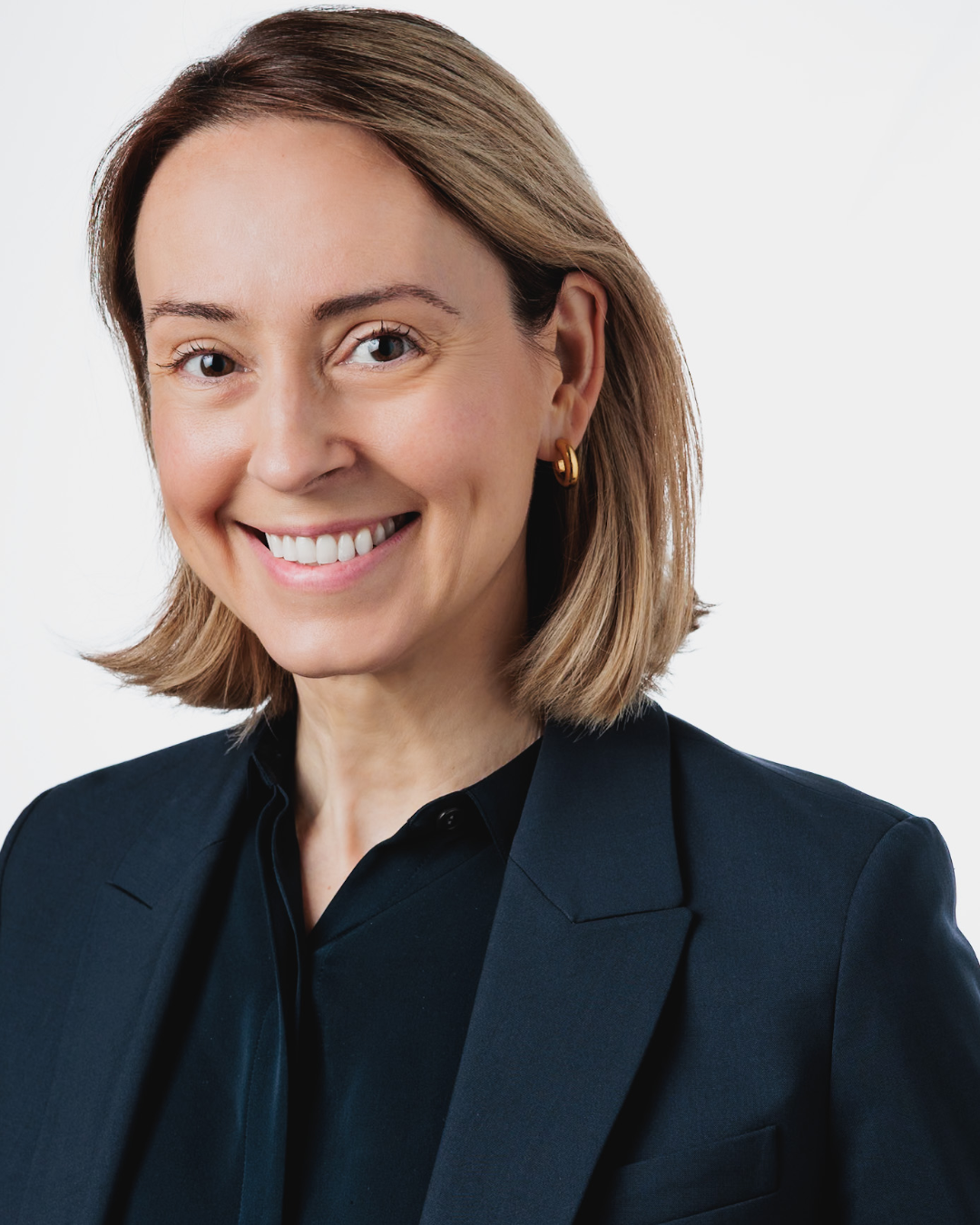
 Greg Curtis

Greg Curtis is the Executive Director of Holdfast Collective, Patagonia’s non-profit shareholder.  Previously, Greg served as Deputy General Counsel for Patagonia for more than 8 years and led the company through its recent ownership transition. Prior to Patagonia, Greg was in-house counsel at a large multinational corporation and worked for a number of years in private practice as a corporate lawyer.  Greg serves as a board member for 1% for the Planet and Circ and is a graduate of Brown University and University of Connecticut School of Law.

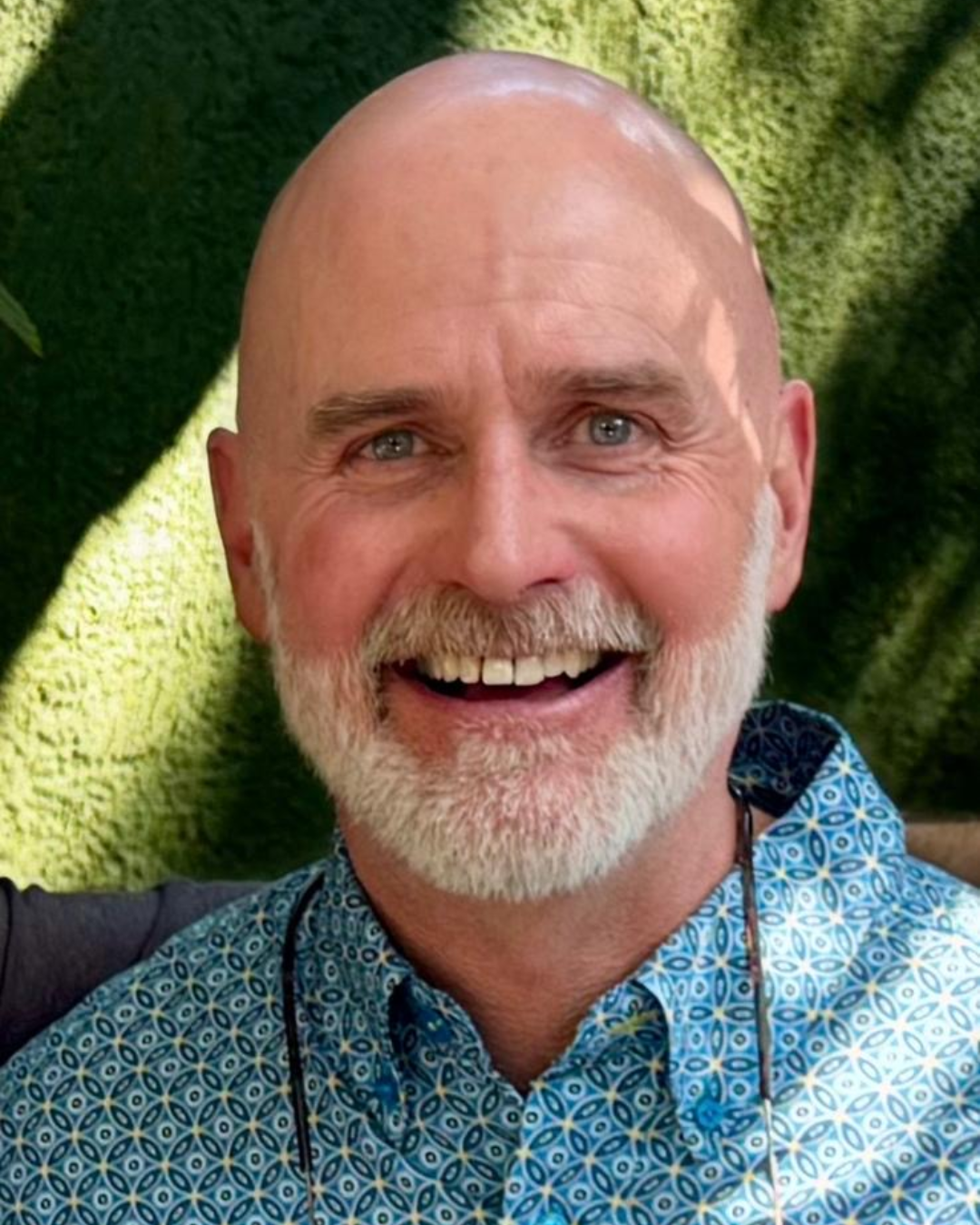
 Rob Zochowski

T. Robert Zochowski III is an Executive Director at the Capitals Coalition with responsibility for Operations and Finance, Global Human Capital and Culture, Legal Affairs, as well as the Ambassadors Program also offering the support on cross-organizational special projects and initiatives. Formerly, he was the President and CEO of the International Foundation for Valuing Impacts (IFVI), an organization dedicated to the vision of a just and sustainable global economy based on the full contribution of business to people and the planet through the creation of impact accounting standards. IFVI merged into the Capitals Coalition in 2025. Rob served as Program Director of Multi-Faculty Impact Investing and Sustainability Special Projects at Harvard Business School, contributing to its Impact-Weighted Accounts (IWA) Project, Social Impact Collaboratory, and Project on Impact Investments.

Previously, Rob was VP at Goldman Sachs, where he had roles in investment product innovation, strategy and development, alternative investment strategies, and private wealth management. He holds an MBA from Columbia Business School and a A.B. Economics from Georgetown University.


Marieke SpenceMarieke Spence is Executive Director of Impact Capital Managers (ICM) and the affiliated ICM Institute, with the joint mission of advancing member performance and scaling the impact investing marketplace with integrity and authenticity. Under her leadership ICM’s trade association has grown its membership of leading private capital impact funds from 10 to over 150 members, and from ~$2B to over $80B in collective AUM; established network standards on impact measurement and management; published field-building reports on legal innovation in impact investing and financial returns and impact on exit; launched the Mosaic Fellowship, which to date has placed 100+ top graduate students from under-estimated backgrounds at ICM member funds as summer associates; and with Daniel Pianko, launched the Better Money, Better World podcast. With Mark Berryman of Capricorn, she created ICM’s LP Advisory Council. 

Prior to joining ICM, Marieke was a Director of the Global Philanthropists Circle at Synergos, a peer learning community of 400+ philanthropists and social investors, where she launched affinity groups focused on impact investing and sustainable food systems. Before Synergos, Marieke was a Senior Consultant at TCC Group, a social impact strategy consulting firm. She has studied impact investing as a Summer Fellow at the William and Flora Hewlett Foundation and is co-author with Jacob Harold, Joshua Spitzer, and Jed Emerson of “Environmental Impact Investing: Co-Managing the Ecological and Economic Household,” published in Social Finance (Oxford University Press, 2016). Marieke was formerly Director of Corporate Communication and Strategy at The Kessler Group; producer of On Point, a nationally-syndicated news program on National Public Radio; and Assistant Director of Communications at the Council on Foreign Relations. She holds a MALD in International Business and Communication from The Fletcher School at Tufts University and a BA from Brown University, and is an alumna of the inaugural Impact Investing Programme at Oxford University’s Said Business School.


Carl PalmerCarl Palmer is the Founder and Executive Director of LegacyWorks Group, a catalytic consultancy advancing landscape-scale conservation and community resilience through place-based initiatives and consulting engagements. In all its endeavors LegacyWorks acts as the connective tissue across sectors, building capacity and helping communities tackle systemic environmental challenges to co-create regenerative futures.

Carl helps steward LegacyWorks' Impact Finance team, designing and implementing impact finance strategies for  organizations, funders, investors, and coalitions. Among other approaches, the team structures public-private partnerships, loans, and funds to seize high-priority conservation opportunities as they emerge. 

At Brown, Carl met his wife Carrie in their first ES11 class freshman year. He concentrated in environmental studies and architectural studies and rowed on the men's crew. He went on to earn his MBA from Stanford Graduate School of Business in 2003 and serves on the board of the Conservation Finance Network. 

 Ricardo Bayon

Ricardo Bayon is a Founder and Partner of Encourage Capital, a new breed of asset management firm focused on profitable and strategic investments to solve critical social and environmental problems. Encourage Capital seeks to build a community of investors, foundations, market leading companies, governments and non-profits who are working together to address some of the world’s most challenging issues while generating financial returns for its investors. Encourage was formed through the merger of Wolfensohn Fund Management (the firm created by the former head of the World Bank, Jim Wolfensohn) and EKO Asset Management, a firm that Mr. Bayon created with his business partner, Jason Scott. Encourage is managing or has managed hundreds of millions of for Foundations, high net-worth individuals, family offices, and other impact investors. The company has done work and made investments on issues like financial inclusion, carbon markets, solar energy, fisheries, water, and green infrastructure. Mr. Bayon also serves on the company’s board of directors. Prior to co-founding EKO, he helped found and served as the Managing Director of the “Ecosystem Marketplace,” a web site and information/analysis service covering these emerging environmental markets.  In that capacity he co-authored a number of publications on voluntary carbon markets, mitigation banking, and ecosystem services including “The State of Voluntary Carbon Markets 2007: Picking up Steam” and “Voluntary Carbon Markets: An International Business Guide to What They Are and How They Work,” and “Conservation and Biodiversity Banking: A Guide to Setting Up and Running Biodiversity Credit Trading System”. For nearly two decades he has specialized on issues related to finance, banking, ecosystem services, and the environment. He has done work for a number of organizations, including Insight Investments, the International Finance Corporation (IFC) of the World Bank, IUCN, The Nature Conservancy, Domini Social Investment, among others. His articles have appeared in publications such as The Washington Post, The Atlantic Monthly, and the International Herald Tribune. He has also written numerous articles and books on mitigation banking, renewable energy, biodiversity markets, markets for water quality, and other environmental markets. He was born in Bogota, Colombia, and is currently based in San Francisco.

Meet the speakers: “Advancement & Measurement”

 Jeannine Cavender-Bares

Jeannine Cavender-Bares is a Professor of Organismic and Evolutionary Biology at Harvard University and the Director of the Harvard University Herbaria. She studies plant ecology and evolution. Cavender-Bares’ research explores how plant physiology and evolution shape species interactions and ecosystem functions. Over the past decade, she has been focused on what can be learned by the properties of light reflected from plants, referred to as spectral data. Her team is developing methods to scale up spectral data from plants, including herbarium specimens, to improve global knowledge of plant function and biodiversity. At the Harvard University Herbaria, she is leading an international working group to develop protocols and standards for measuring spectral reflectance on herbarium specimens. She is also establishing long term experiments at the Harvard Forest to test hypotheses about the mechanisms by which tree diversity influences ecosystem functions and how different populations within species vary in their physiological adaptations to their environment. The work informs the mechanisms that create resilience in forests. These experiments help to explain why the diversity of trees that comprise ecosystems are more than the sum of their parts and how genetic variation within and across populations is critical for forest resilience in changing environments. Her team uses novel remote sensing methods with spectroscopic data and imagery to detect variation across scales. Cavender-Bares is dedicated to international efforts to monitor and assess biodiversity and ecosystem services towards sustainability. Currently, she serves as the Director of the NSF-funded Biology Integration Institute, ASCEND, Advancing Spectral Biology in Changing Environments to Understand Diversity. She is also the Vice President for Finance of the Ecological Society of America and a member of the American Academy of Arts and Sciences.

 Jim Kellner

Jim Kellner is an Associate Professor of Environment and Society & Ecology, Evolution and Organismal Biology at Brown. His research program is focused on two problems: (1) quantifying how populations and ecosystems are responding to variation in the environment across large spatial gradients, and (2) reducing or eliminating biological sources of uncertainty in the global carbon cycle. He focuses on the development and application of remote sensing technologies that allow us to explore questions at scales of space, time and biological organization that are beyond the grasp of existing tools to examine. His work has been externally supported by NASA, the NSF, DOD and USDA, and he is a funded co-Investigator and member of the Science Team of the NASA Global Ecosystem Dynamics Investigation (GEDI) mission.


Joe MascaroJoe Mascaro is passionate about understanding the novel ecological systems emerging in the Anthropocene. He has worked across academia, government, and in private industry to advance technology systems that empower human societies to integrate within these novel ecosystems. Before joining the Institute at Brown for Environment and Society as a Postdoctoral Research Associate, Joe led product development and strategy for science and university partnerships at Planet Labs Public Benefit Corporation as Sr. Global Director for Science. Planet pioneered earth intelligence: leveraging AI tools with the largest fleet of earth observing satellites for unique insights about our planet. Joe built partnerships with more than 150 institutions, including space agencies and premier universities, supporting more than 30,000 users in over 100 countries with educational and research access to unique daily earth observation data. The work empowered scientists worldwide to utilize high-quality satellite data to study climate change, food and water security, biodiversity and more at a global scale, driving over 3,500 community-led scientific studies.
As a Science and Technology Policy Fellow in the American Association for the Advancement of Science, Joe crafted policies and programs at the Global Development Lab at USAID that leverage science and technology for sustainable development. In postdoctoral work in the Department of Global Ecology at the Carnegie Institution for Science and Smithsonian Tropical Research Institute, Joe led pioneering research in national-scale mapping of carbon stocks and ecosystem properties, developing foundational carbon mitigation technologies. Joe has authored nearly 50 peer-reviewed scientific studies, and holds a Ph.D. in Biological Sciences from UW-Milwaukee and B.S. in Resource Ecology and Management from the University of Michigan.

Joe’s current research at Brown leverages the Global Ecosystems Dynamics Investigations (GEDI) laser altimeter on the International Space Station: through fusion with Landsat earth observation time-series data, Joe is working to enhance the use of GEDI data in the worldwide effort to monitor the global carbon cycle. He enjoys acute wanderlust, learning to cook dishes from across the world, and thrives debating why introduced species—in the long run—are probably a good thing.

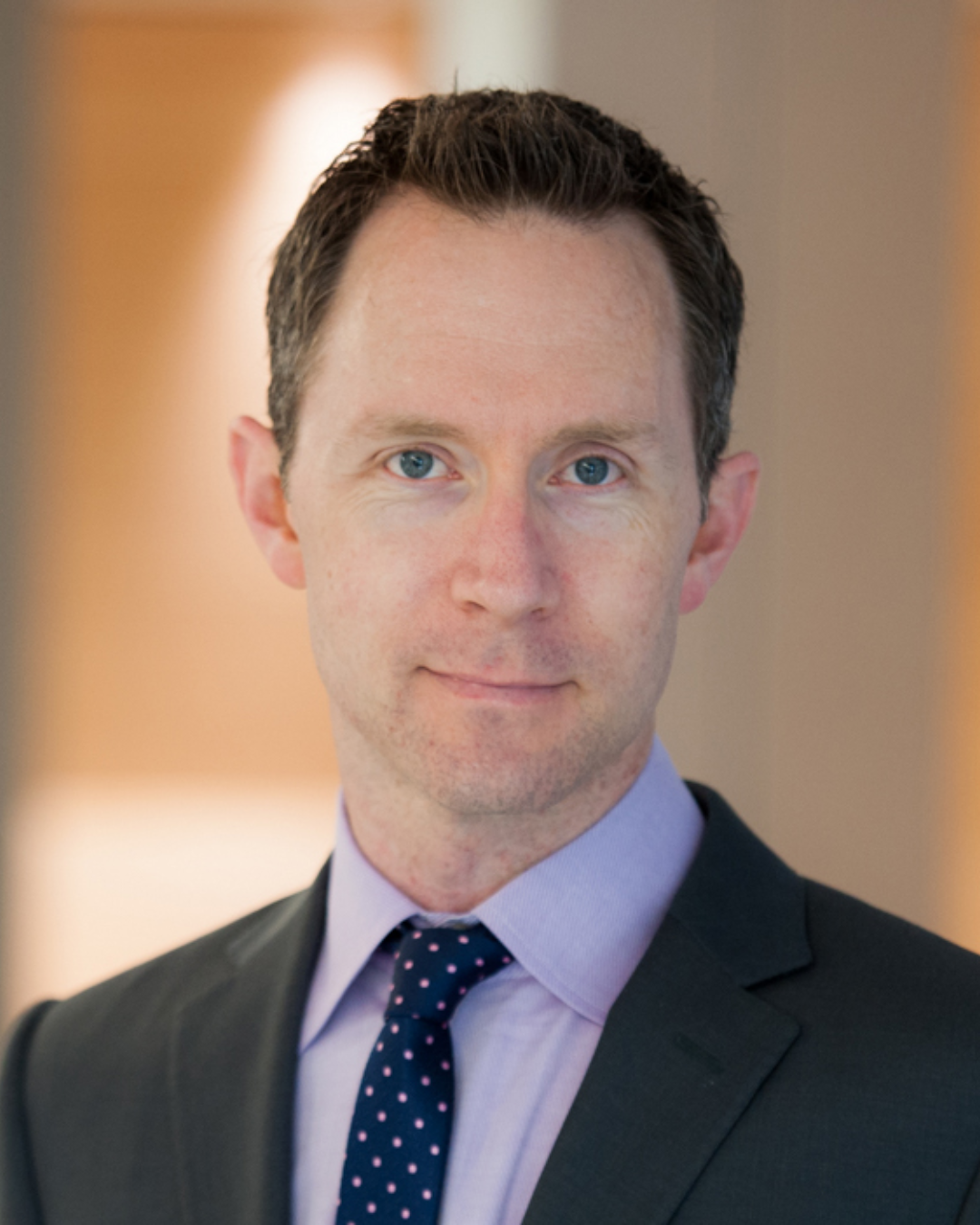
 Mark Tracy

[Moderator] Mark Tracy is an an entrepreneur, advisor, and senior executive focused on the intersection of climate, food, finance, and technology. He is Professor of the Practice of Sustainable Finance and Investing at the Institute at Brown for Environment & Society, co-founder of nature-based startup EarthAcre, entrepreneur in residence at SeaAhead, former CEO of Cloud Agronomics (now Perennial), and former vice president of Indigo Ag

Meet the speakers: “Indigenous Knowledge & Rights of Nature”


Chief Uraan Anderson Suruí is an Indigenous leader of the Paiter Suruí people in the Brazilian Amazon, serving as cacique of Aldeia Gamir and vice–general chief of the Paiter Suruí nation. An educator by training, he has worked as a schoolteacher and as a coordinator of Indigenous teachers’ organizations, and holds a degree from the Federal University of Rondônia. Uraan has led community cooperatives such as COOPSUR, promoting sustainable value chains for forest products such as coffee, banana, and Brazil nuts as pathways to food security and economic independence for his people. At the international level, he is a prominent voice for Indigenous‑led climate solutions, helping to design initiatives that align regenerative agriculture and forest conservation with climate finance, including a pioneering 50‑million‑dollar outcome bond for Amazon forest protection. His work focuses on building bridges between traditional Paiter Suruí knowledge and contemporary technology, advancing sustainable development aligned with global climate goals while insisting that innovation can and must also “rise from the forest.”

 Vic Hogg

Vic Hogg (they/them) is a queer, nonbinary leader and citizen of the Nottawaseppi Huron Band of Potawatomi with over a decade of experience in grassroots organizing, Indigenous-led conservation, and strategic grantmaking. They joined Solidaire Network as the Building the Fire Fund Strategist after serving as the Senior Coordinator for Free, Prior, and Informed Consent (FPIC) practices at the National Wildlife Federation, which ensures that Tribal and Indigenous communities have the power to make decisions about conservation efforts that impact their lands, resources, and cultural practices. In this role, they authored and launched an org-wide FPIC policy, trained conservation leaders across the country on Indigenous rights-based frameworks, and launched projects spanning over 17 states to strengthen land rematriation efforts. Vic’s work has spanned co-developing marine sanctuary agreements with Alaska Native leaders, resourcing grassroots Indigenous conservation projects, and leading trauma-informed leadership programs for survivors of violence, youth, and organizers, from the Bay Area to Brooklyn.

Vic holds a Master in Public Policy from Harvard Kennedy School, where they were the 2023 graduate commencement speaker, and a B.A. from Yale University. They approach this work with humility, a commitment to reciprocity, and a deep respect for Indigenous knowledge.

 Patita Nkamunu

Patita Nkamunu is an impact-driven conservation professional with experience in natural resource conservation, policy lobbying, advocacy and public engagement. Her work integrates conservation and climate change mitigation in Africa using capacity building, cross-sectoral partnerships, research, and the empowerment of both women and indigenous communities. Patita is a member of the Verra sustainable development advisory council (SDAG), International Environmental Guardians on nature Markets and Vice Chairperson of the Athi Kapiti Wildlife Conservancies Association. Patita is a Co-Founder of EarthAcre.


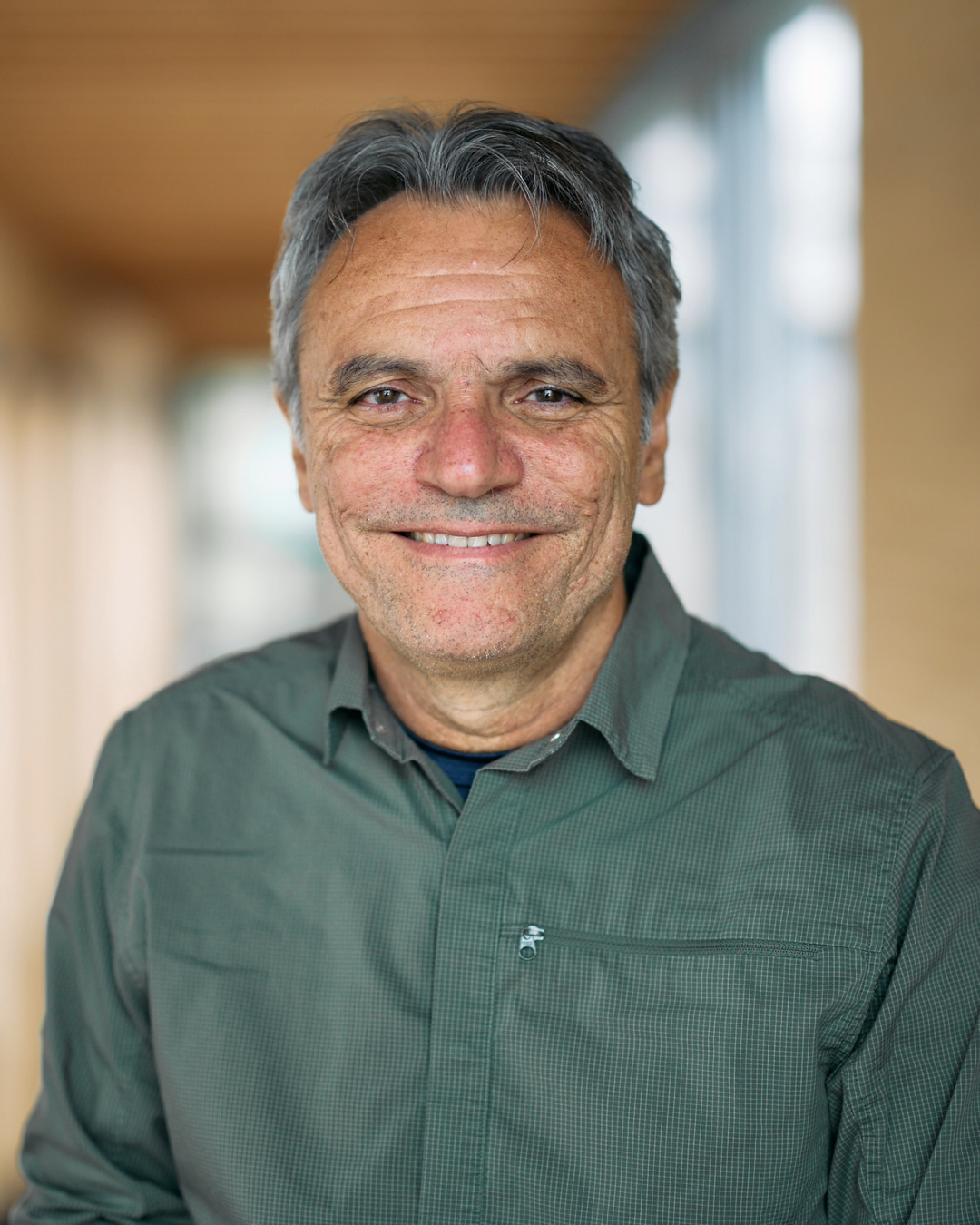
Beto Borges[Moderator] Beto Borges works at the intersection of Indigenous territorial rights, nature-based finance, and community-led conservation. With more than four decades of experience across Latin America and the Global South, he directs the Communities and Territorial Governance Initiative (CTGI) at Forest Trends, where he works to ensure that Indigenous Peoples and Local Communities (IPLCs) are not merely consulted — but are genuine architects of the environmental finance systems shaping their territories.
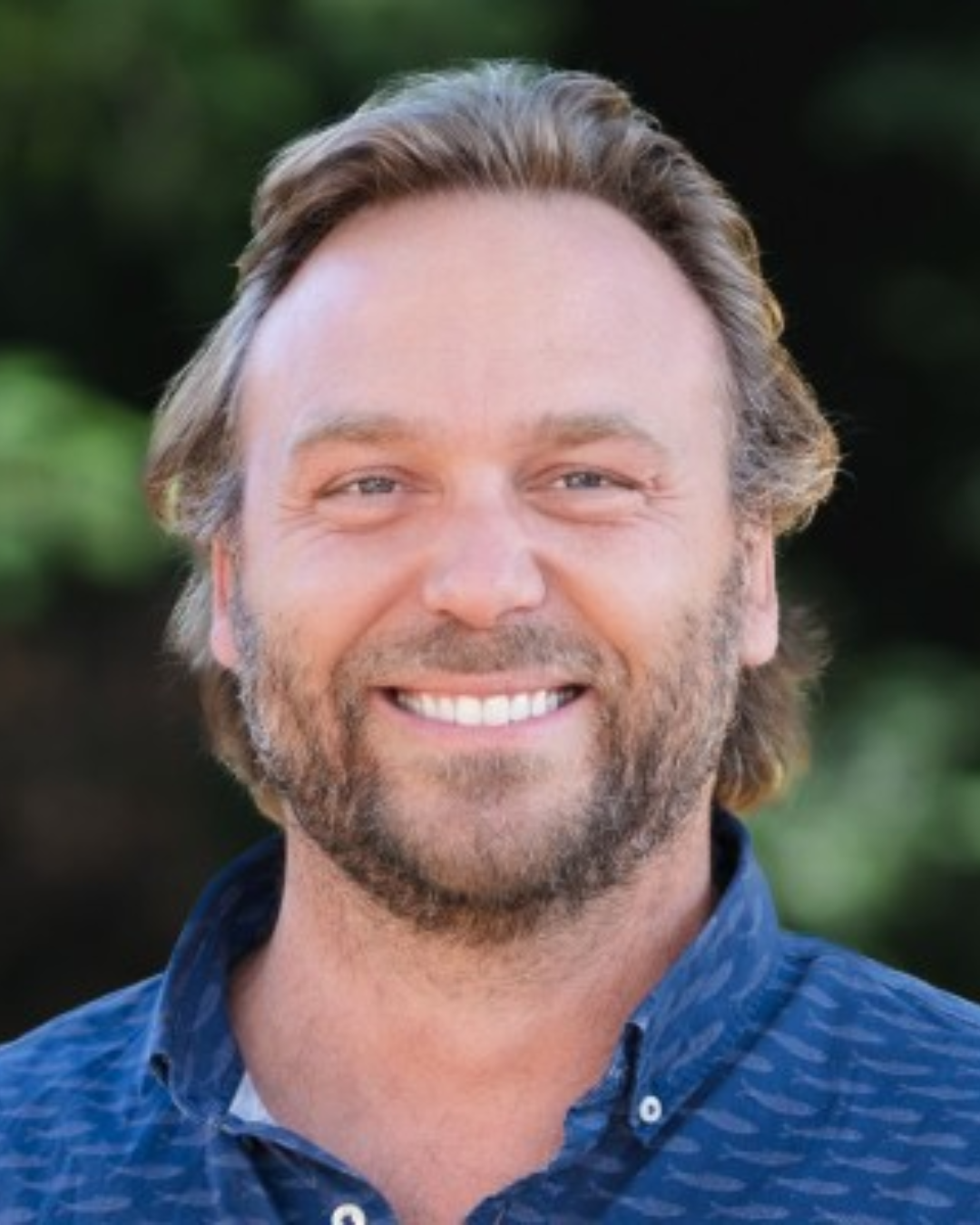
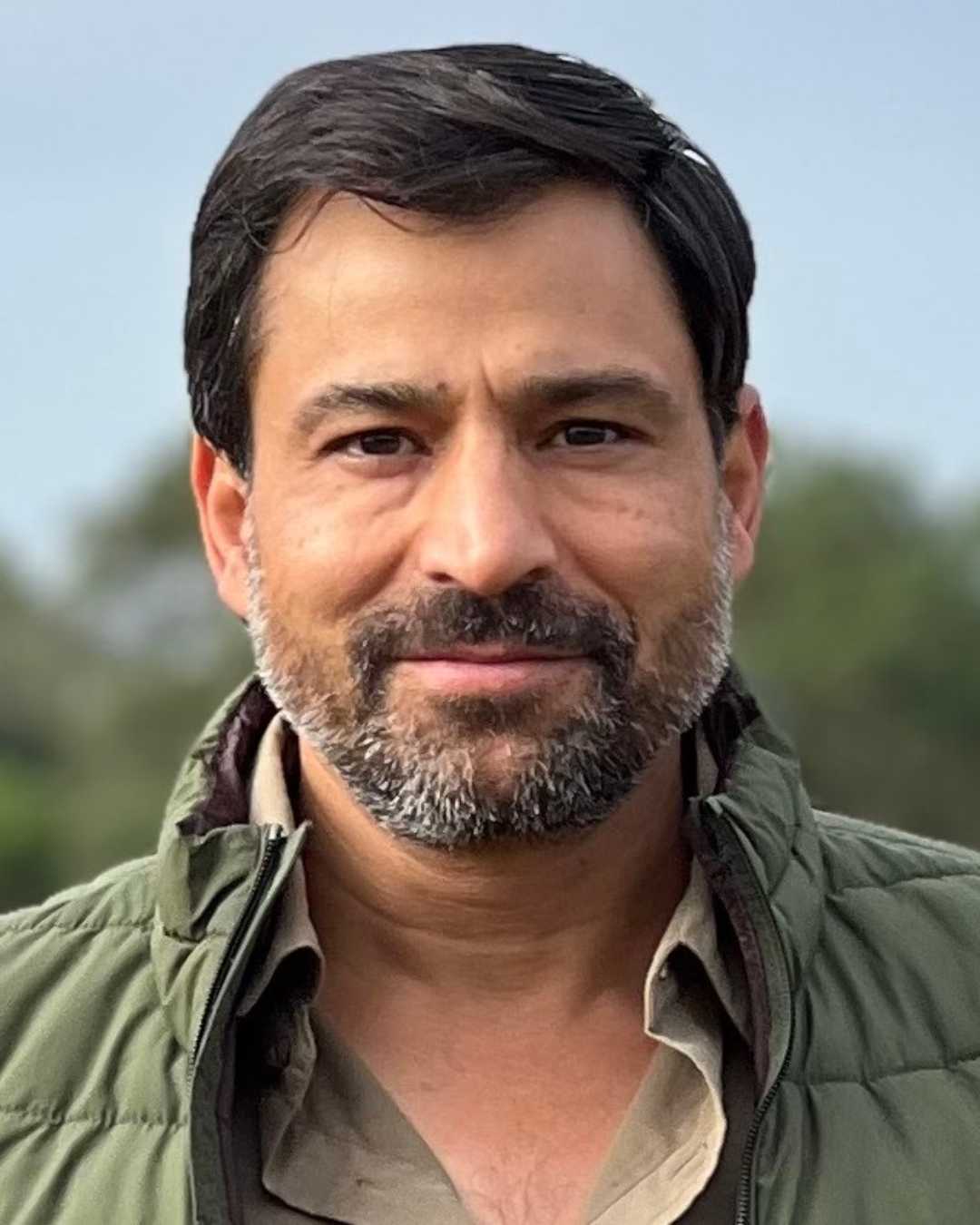
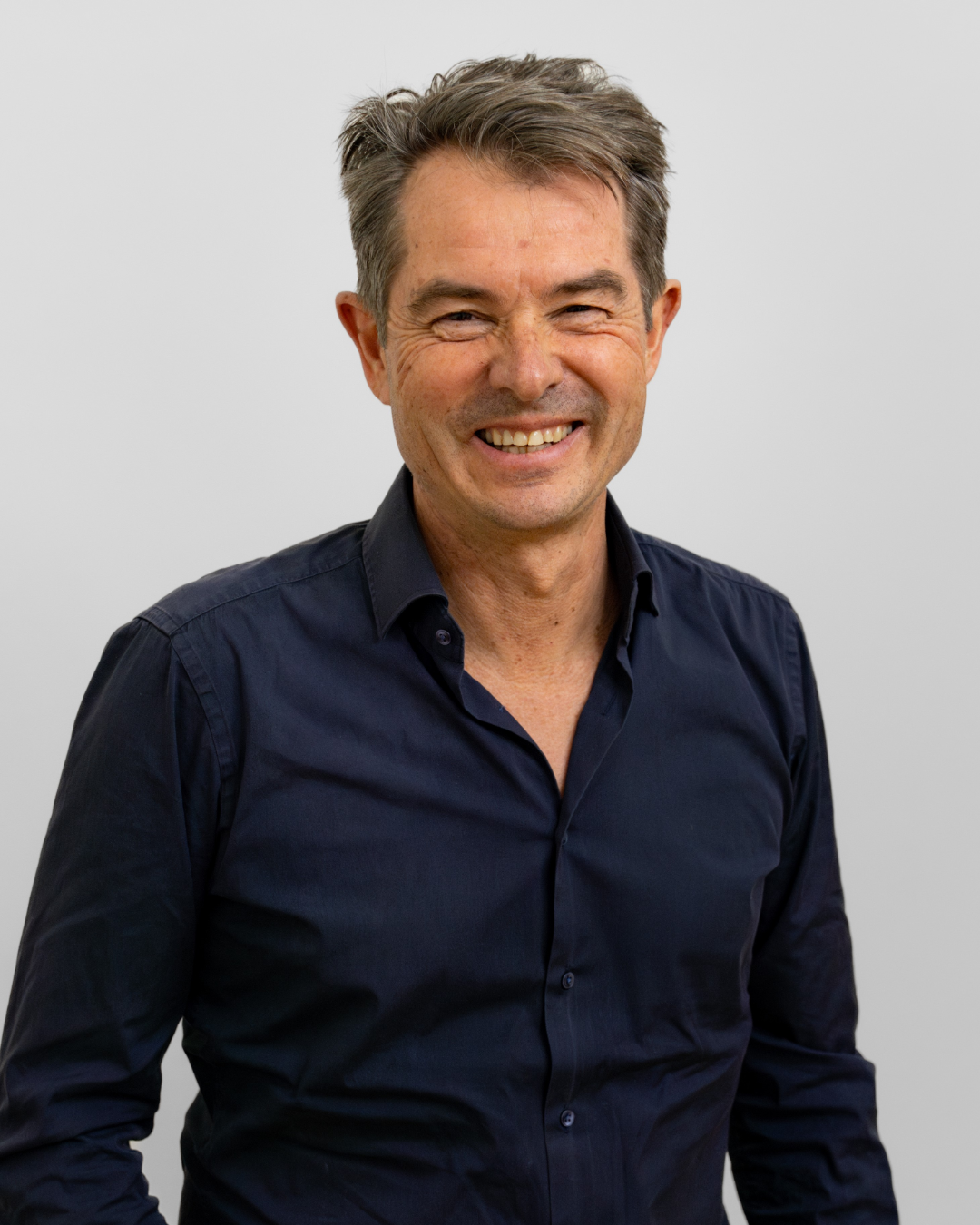
His field practice is grounded in the principle that Indigenous territorial governance is among the most cost-effective and scientifically validated approaches to biodiversity conservation and climate resilience. He played a central role in co-developing the world’s first Indigenous-led REDD+ project with the Suruí people of the Brazilian Amazon and contributed to one of the first jurisdictional REDD+ programs with the state of Acre — bringing Free, Prior, and Informed Consent (FPIC) from a legal obligation into a lived governance architecture. His career includes serving as Director of the Amazon Program at Rainforest Action Network and as Program Officer at the Goldman Environmental Foundation. At Shaman Pharmaceuticals, he was Manager of Sustainable Harvesting, developing ethnobotanical supply chains in partnership with forest communities across the Amazon for pharmaceutical innovation.

Beto has advised institutions including National Geographic, Conservation International, and Instituto Terra, and consulted on emerging environmental finance mechanisms — from biodiversity credits to nature asset frameworks — with a consistent focus on equity, self-determination, and long-term ecological integrity. Born in São Paulo, he holds degrees from UC Berkeley and Dominican University of California, and a Higher Education Teaching Certificate from Harvard University’s Faculty of Arts and Sciences. He has lectured at Stanford, Yale, and Fundação Getúlio Vargas and speaks Portuguese, English, and Spanish.

Meet the speakers: “Nature Ventures & Innovation”

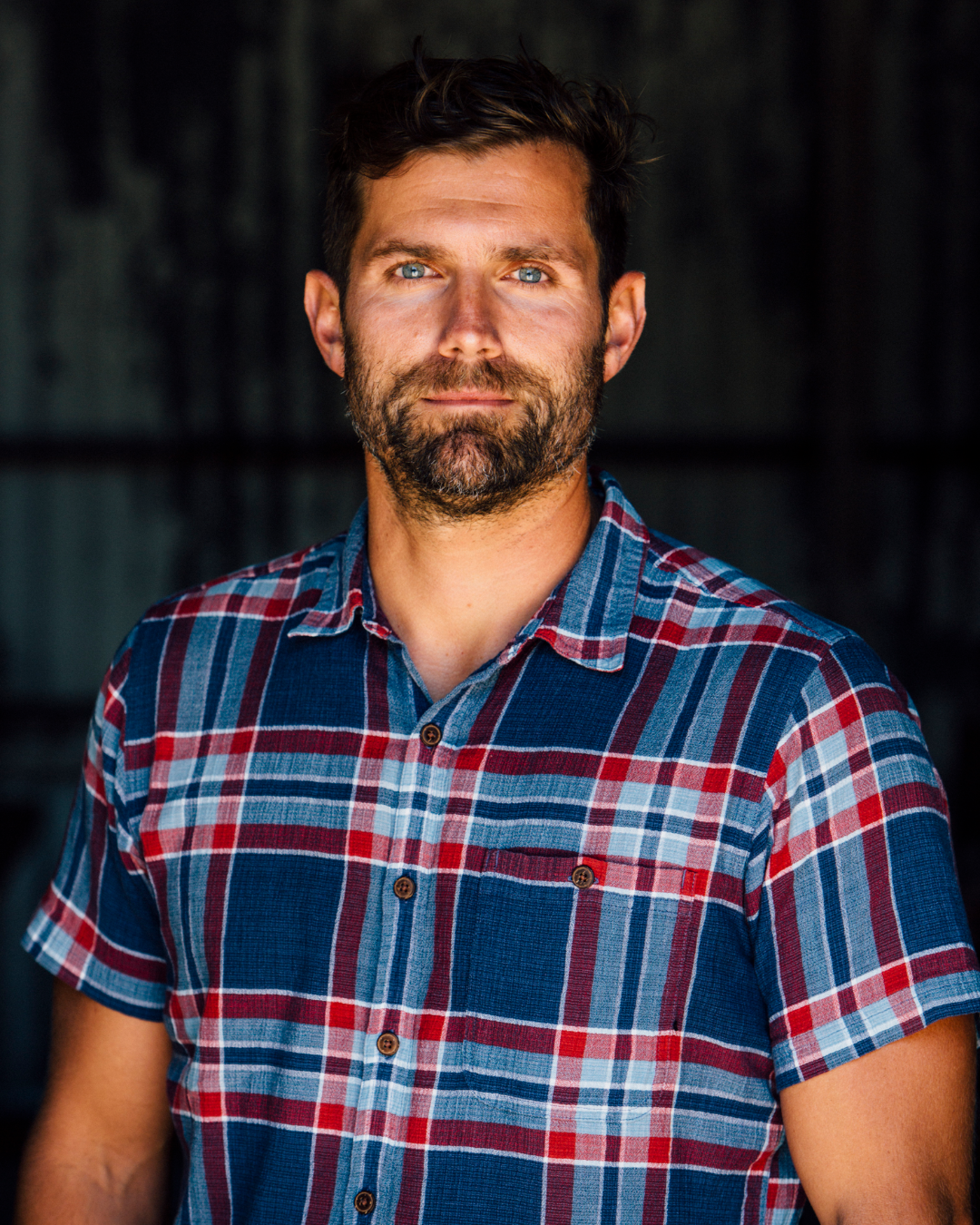
 Nick Wobbrock

Nick Wobbrock is the co-founder and Chief Conservation Officer of Blue Forest, a 501c3 nonprofit organization that finances projects to reduce the risk of catastrophic wildfire. Blue Forest developed a financial vehicle called the Forest Resilience Bond  to protect watershed health and support community and climate resilience. By modeling and valuing outcomes such as wildfire risk reduction and the protection of water resources, the resilience bond can increase the funding available, achieve larger projects, and ensure that contractors can be paid promptly. Blue Forest has more than ten active projects with more in the pipeline across California, Oregon, Washington, and continues to expand to new regions. Blue Forest also manages an investment fund, known as the California Wildfire Innovation Fund, that is managing $50M of capital to invest in companies and technologies to reduce wildfire risk in California.

 Mohanjeet Brar

Dr. Mohanjeet Brar is a Co-Founder of EarthAcre (Kenya) and Managing Director of Gamewatchers Safaris & Porini Camps, an award-winning conservation tourism group that helped pioneer Kenya’s community conservancy model. He works at the intersection of private investment, community land stewardship, and technology building practical pathways for nature to generate reliable, high-integrity revenue for local people and landscapes. Through EarthAcre, he is helping develop and pilot a digital platform from which biocredits, among other nature assets, can be generated grounded in strong governance, credible monitoring, and fair benefit-sharing with Indigenous Peoples and Local Communities. Mohanjeet is passionate about ensuring nature markets scale with integrity so that buyers have confidence, communities see meaningful value, and conservation delivers real additionality on the ground. 

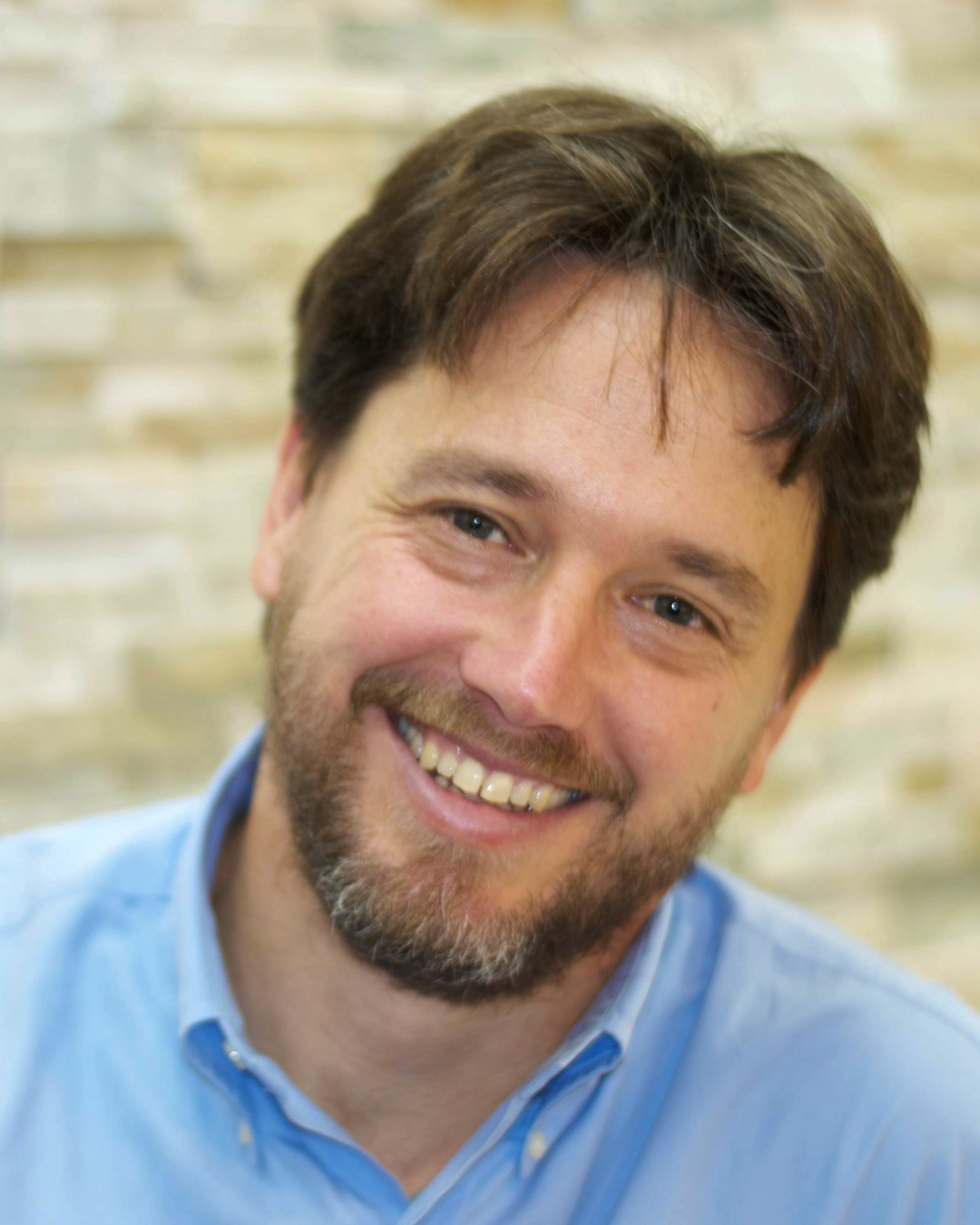
 Martin Stuchtey

Prof. Dr. Martin Stuchtey is a geologist and economist who has dedicated himself to the renewal of the economic system in the sense of a natural capital approach. Together with Dr. Sonja Stuchtey, he is the founder of ‘The Landbanking Group’ - a technology company that makes biodiversity measurable, assessable and investable. He also founded and managed the SYSTEMIQ group of companies. Previously, he worked for McKinsey & Co. for 20 years, where he was responsible for the sustainability division, among other things. He is a professor of resource economics at the University of Innsbruck, author, multiple advisor, father of six children and organic farmer.


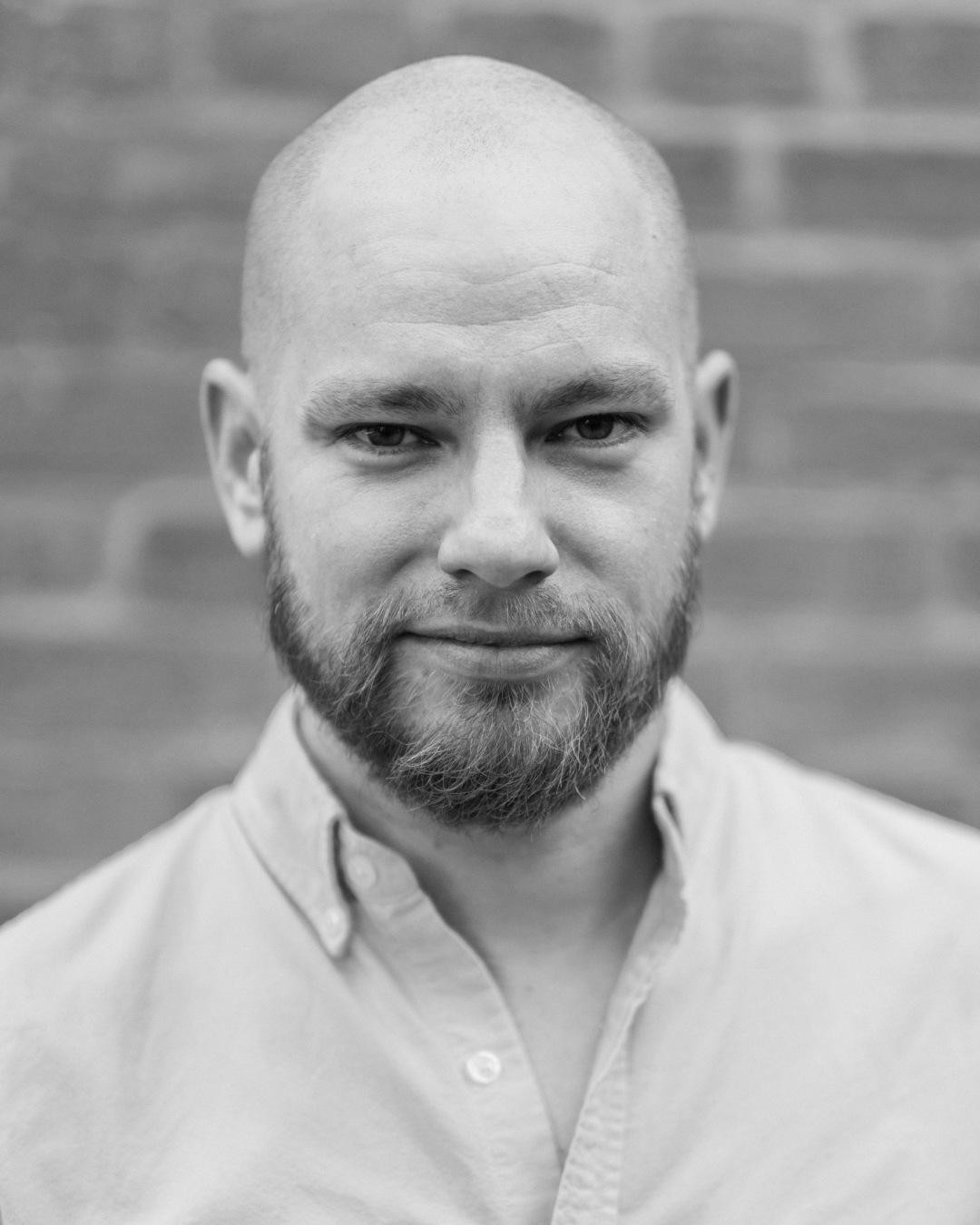
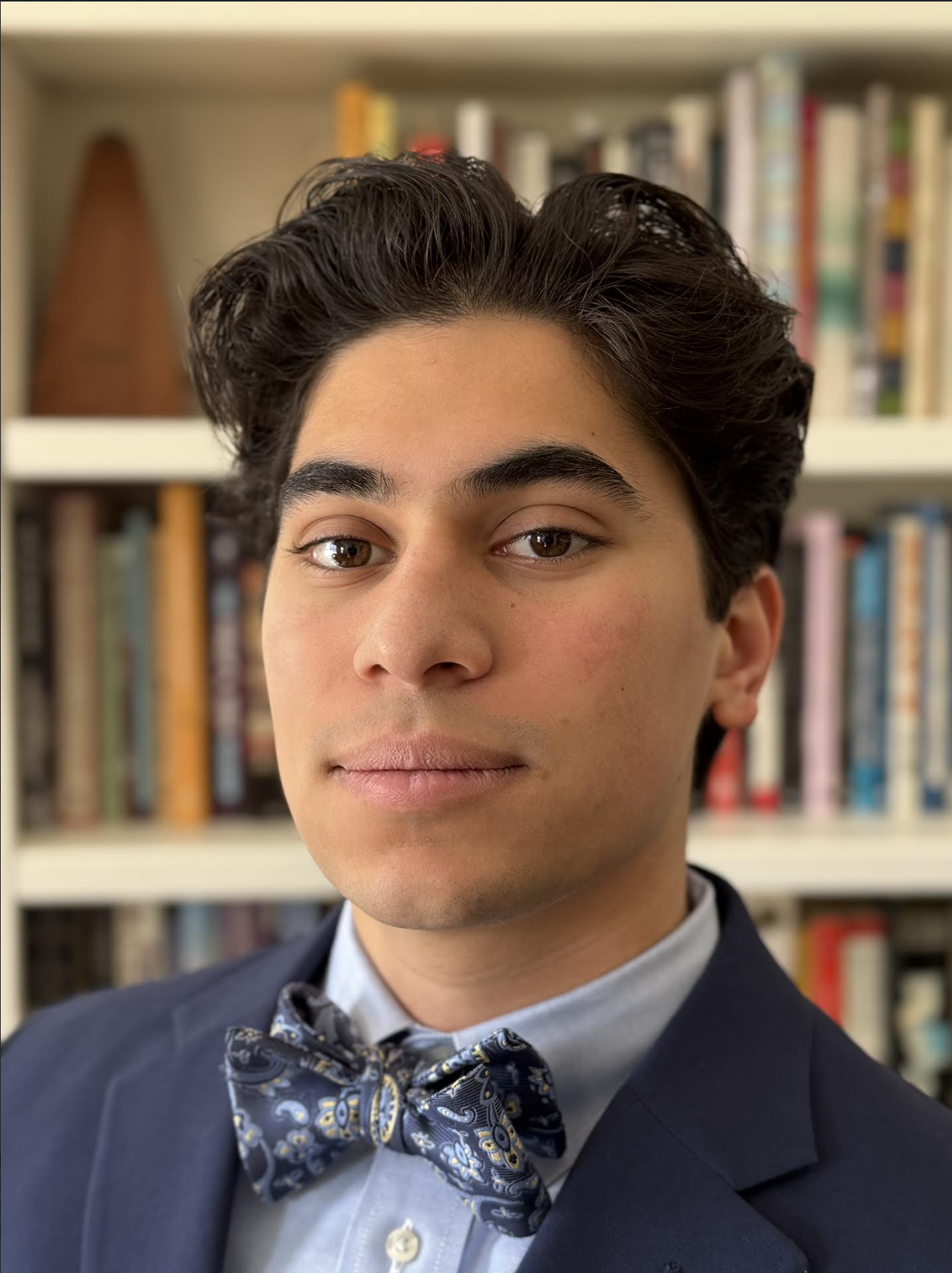
[Moderator] Robert Guterl is a senior at Brown University, studying Economics and Environmental Studies, with a focus on sustainable finance, institutional strategy, and climate policy. At Brown, he has worked across the university’s finance and environmental studies offices, including serving as a Sustainable Finance and Investing Architect supporting Brown’s first Professor of the Practice of Sustainable Investing and contributing to the development of Brown’s undergraduate certificate in Sustainable Finance.

Robert has also supported Brown’s finance leadership on long-term decarbonization and capital planning initiatives tied to the University’s net-zero commitment. In addition, he brings federal policy experience from internships in the United States Senate, where he worked in the offices of Sheldon Whitehouse and Jack Reed on climate-focused analysis and legislative initiatives. His work centers on how finance, nature, and public policy can be aligned to drive
scalable climate solutions.